
Artificial Greenery Wholesale: How to Choose Garlands, Vines & Stems in Bulk
FSARCAN ·
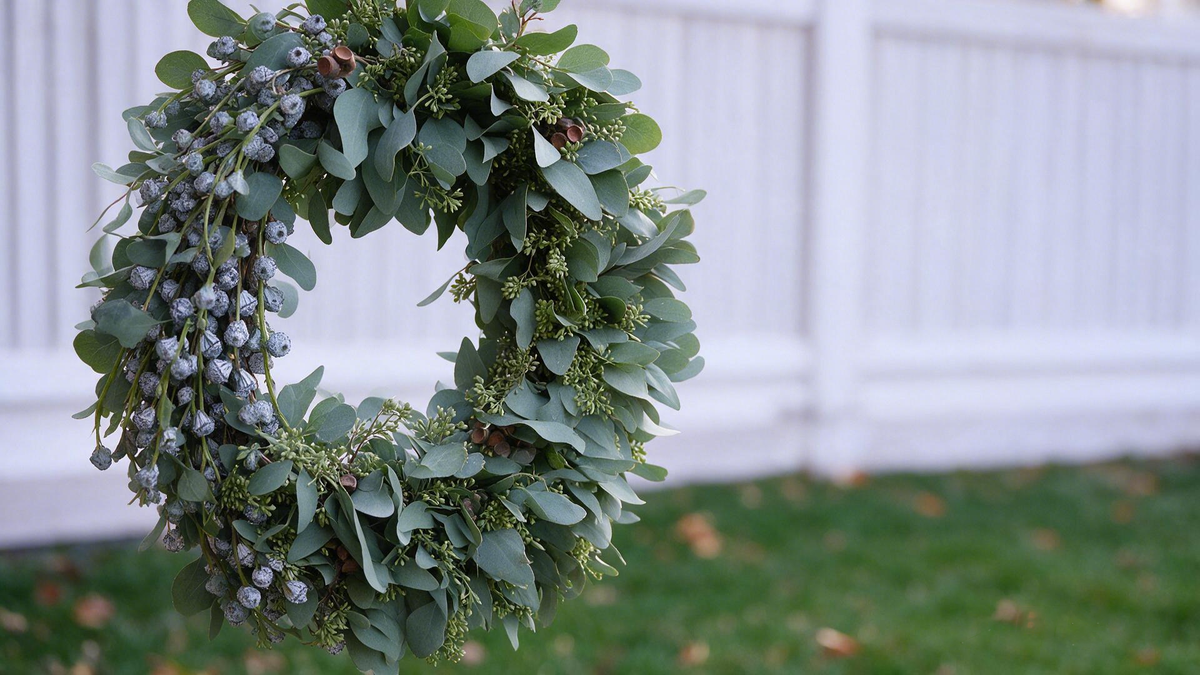
Short answer: When buying artificial greenery wholesale, do not compare products by photo and unit price alone. First match the format to the installation, then compare the selling unit, measured dimensions, effective installed coverage, finish, attachment method, packing, sample result, and quote scope. A cheaper-looking line item can become the more expensive option if each piece covers less space, needs more labor, or arrives heavily compressed.
This guide gives event designers, florists, rental companies, retailers, and hospitality buyers a repeatable way to evaluate bulk artificial greenery. It also includes a quote-ready checklist you can send to a supplier when you need an exact product or want help finding a similar one.
What Does “Artificial Greenery Wholesale” Include?
The phrase covers more than one product type. Wholesale greenery may be sold as individual stems, sprays, garlands, vines, hanging pieces, bushes, or mixed foliage units. Two listings can use similar words while describing products that behave very differently in an arrangement.
Before asking for a price, identify the job the greenery must do:
| Format | Common use | Measurements to request | Useful sample test |
|---|---|---|---|
| Stem or spray | Bouquets, centerpieces, vase work, floral foam designs | Total height, foliage spread, stem length, branch count | Build one representative arrangement and count the stems used |
| Garland or vine | Tables, arches, railings, backdrops, mantels | End-to-end length, average width, attachment points, foliage density | Install one piece on the intended surface and measure effective coverage |
| Hanging or trailing piece | Ceilings, walls, shelves, overhead installations | Overall drop, top width, longest trail, hanging point | Test one section at the real viewing height |
| Mixed foliage unit | Fast, layered styling with multiple leaf shapes | Species mix, color mix, spread, repeat consistency | Check whether the mix remains balanced across several units |
A clear format choice prevents a common sourcing problem: buying a product that looks appropriate in a close-up photograph but creates the wrong silhouette, coverage, or installation workload on site.
Start With the Selling Unit
“One piece” is not a reliable basis for comparison until you know what one piece means. A supplier may quote by stem, bush, garland, bundle, inner pack, carton, or set. The product photo may also show several units styled together.
Ask each supplier to state:
- the exact selling unit used in the quotation;
- the number of stems, branches, or garlands in that unit;
- the number of units per inner pack and export carton;
- the measured dimensions of one selling unit;
- whether the quotation photo shows one unit or multiple units.
Then normalize quotations to the same unit. For example, compare cost per garland only when the garlands have comparable dimensions and coverage. For stems, compare the cost of building the same approved arrangement, not merely the price of one stem.
Catalog Length Is Not Installed Coverage

A garland can have a stated end-to-end length and still cover less space after styling. Curving it around an arch, overlapping joins, opening compressed leaves, or building extra fullness all change the effective installed coverage.
For garlands and vines, use this method:
- Order or inspect one representative sample.
- Install it using the same curve, overlap, and fullness planned for the project.
- Measure the actual run covered by that sample.
- Divide the total measured installation run by the sample's effective coverage.
- Use the physical mockup to decide any contingency quantity for joins, corners, damage, and design changes.
For stems, build one approved arrangement and multiply the actual stem count by the number of arrangements. For hanging greenery, mock up a representative ceiling or wall section at the intended viewing height, then repeat that tested density across the measured area.
This approach produces a project-specific estimate. It is more dependable than a universal “pieces per meter” rule because foliage density, curve, overlap, and desired opacity vary.
Evaluate Realism at the Actual Viewing Distance
A close-up product image is useful for inspecting leaf details, but the final design is usually judged from farther away. Review the sample at the closest and farthest distances that guests or customers will see it.

Check the following:
- Color variation: Do the leaves have enough tonal variation for the design, or does the unit read as one flat block?
- Surface sheen: View the product under the venue's expected daylight or artificial lighting.
- Leaf edges and veining: Decide whether these details suit the viewing distance and price position.
- Attachment points: Look at where leaves meet branches and whether connectors remain visible after shaping.
- Wire behavior: Test whether wired sections hold the curve required by the design without exposing the internal structure.
- Background opacity: Place the sample against the actual wall, linen, frame, or shelf color. Contrast changes how full it appears.
Ask for current product video when movement, drape, or flexibility matters. Video is particularly useful for comparing silk vines, eucalyptus garlands, and trailing foliage that may look similar in still images.
Separate Appearance Claims From Performance Evidence
Artificial greenery is not automatically suitable for every outdoor or commercial installation. Do not infer UV resistance, colorfastness, flame performance, or weather resistance from the material name, product color, or a general category description.
If a project has an outdoor or venue-compliance requirement, ask:
- Which exact SKU does the claim apply to?
- What test method or standard was used?
- Who issued the report, and when?
- Does the report cover the finished product, a component, or only a raw material?
- What exposure conditions and limitations apply?
Send the relevant documents to the venue, client, insurer, or local authority responsible for the final requirement. A supplier document can support a review, but the project decision belongs to the party enforcing the rule.
Plan Installation Before Confirming Quantity
Installation hardware and labor can change the true cost of wholesale faux greenery. A product that is fast to attach may be more economical for a repeated event program than a lower-priced unit that needs extensive wiring.
Include these questions in the sample review:
- Does the piece include loops, hooks, a central spine, or natural tie points?
- Where can cable ties or florist wire be placed without damaging the foliage?
- How tightly can the product bend around corners?
- Does the frame, wall, table, or ceiling have load or fastening restrictions?
- How much reshaping is needed after unpacking?
- Can the product be removed, stored, and installed again if it is intended for rental use?
Record the time required to unpack, reshape, join, attach, and finish one test section. Multiplying that observed time across the project gives a more useful labor estimate than judging installation from a catalog image.
Control Color and Repeat Orders
Green is not a single color. Warm olive, cool blue-green, silver eucalyptus, yellow-green, and deep forest tones can behave very differently beside flowers, fabrics, paint, and lighting.
For a color-sensitive order, keep an approval record containing the SKU, sample date, supplier reference photos, your own daylight and venue-light photos, and any accepted color range. When reordering, ask the supplier to reconfirm current material, construction, and color against that record. Do not assume a later production batch is identical without checking.
Inspect Packing and Carton Recovery

Foliage can be compressed to reduce shipping volume, but packing affects appearance and labor on arrival. Request the current carton specification for the exact SKU rather than relying on a generic image.
For a meaningful packing test:
- Photograph the unopened carton and any visible damage.
- Count the units and record how they are tied, folded, or layered.
- Open a representative unit without special preparation.
- Time how long it takes to reach the approved display shape.
- Inspect bent spines, detached leaves, permanent creases, transfer, and odor.
- Agree in advance on acceptable variation and the evidence needed for a claim.
Carton dimensions, gross weight, unit count, and destination are also essential for a useful freight comparison. A product price without the relevant packing and shipping scope is not a complete landed-cost comparison.
Build a Sample Test That Matches the Real Project
A sample should answer a defined purchasing question. “Is it nice?” is subjective; “Can one unit create the approved 120 cm table section after unpacking and shaping?” is measurable.
Your sample test can record:
- selling unit and measured dimensions;
- effective installed coverage;
- stems or units used in the approved mockup;
- color under relevant lighting;
- attachment and reshaping time;
- visible connectors at normal viewing distance;
- packing recovery and any defects;
- photos or video of the approved result.
For unfamiliar products or larger projects, a sample order reduces uncertainty before the final quantity is committed. FSARCAN buyers can review the sample order process when planning this stage.
Compare Wholesale Quotes on the Same Scope
Ask every supplier to quote against the same specification and destination. A useful comparison sheet should include:
- exact SKU or reference image;
- selling unit and quantity;
- measured dimensions and branch or piece count;
- sample status and approved reference;
- inner pack and carton details;
- production and shipping scope;
- destination country, city, and postal code;
- requested delivery window;
- required documents or performance evidence;
- quotation validity and exclusions.
Keep product cost, sample cost, packing, transport, duties or taxes, and local delivery visibly separated unless the quotation explicitly combines them. This makes it easier to see whether two offers are genuinely comparable.
A Quote-Ready Artificial Greenery RFQ
You can adapt the following request when asking for an exact item or a similar product:
Project: Wedding and event arch program in the United States
Product needed: Artificial eucalyptus garland or similar mixed greenery vine
Reference: Product link or attached front, side, and detail photos
Use: Curved arch installation, viewed from approximately 1–5 meters
Required measurements: End-to-end length, average width, branch count, attachment points, and unit weight
Quantity basis: Please quote per selling unit and state units per carton
Sample: Please quote one sample and current shipping options
Packing: Please provide current inner-pack and carton dimensions, quantity, gross weight, and unpacking guidance
Destination: City, state, postal code, United States
Timing: Required delivery window
Compliance: Please identify any claim that applies to this exact SKU and provide the supporting report for review
Alternatives: If this item is unavailable, please suggest the closest options and explain the differences in size, color, density, material, packing, and price.
For a fuller template covering reference photos and substitute products, see How to Request an Artificial Flower Quote or Ask Us to Find a Similar Product.
Artificial Greenery Formats Available From FSARCAN
The current FSARCAN Artificial Greenery & Foliage collection includes eucalyptus garlands, mixed ivy and eucalyptus vines, hanging greenery, and eucalyptus stems. These current format examples can help a buyer decide whether the project needs linear coverage, trailing movement, or individual placement control.
- Artificial eucalyptus garland with hooks for buyers comparing linear garland formats and attachment points.
- Artificial hanging greenery vines for trailing and overhead design references.
- Artificial ivy and eucalyptus vine for mixed-foliage references.
- Artificial silver dollar eucalyptus stems for bouquets, centerpieces, and controlled stem-by-stem placement.
Product measurements, packing, availability, and performance claims should be reconfirmed for the current SKU and quotation. Buyers planning a larger order can also review FSARCAN's B2B wholesale information.
Frequently Asked Questions
What is the difference between an artificial garland, vine, and stem?
A garland or vine is generally used for continuous linear or trailing coverage, while a stem gives the designer more control over individual placement in bouquets, centerpieces, and foam-based arrangements. Listing terminology varies, so confirm the construction and selling unit from measurements, photos, and a sample.
How much artificial greenery should I order?
Measure the installation, build one representative mockup, and record the effective coverage or stem count it uses. Scale that tested quantity to the project, then decide contingency stock based on joins, corners, damage tolerance, and design revisions. There is no dependable universal quantity without the product and installation plan.
Is a garland's listed length the same as its installed coverage?
Not necessarily. The listed length may be an end-to-end product measurement. Curves, overlaps, fullness, and attachment methods can reduce the run covered after installation. Test one unit in the intended shape before calculating the final quantity.
Can artificial greenery be used outdoors?
Only when the exact product and project conditions have been reviewed. Ask for evidence supporting any UV, colorfastness, or weather-resistance claim for the exact SKU, and consider exposure duration, rain, wind, heat, and attachment safety.
Is wholesale artificial greenery fire-rated?
Do not assume that a category, material, or visual style is fire-rated. Ask for the current report, standard, scope, date, and exact SKU covered, then submit the documentation to the venue or authority that sets the requirement.
Should I order a sample before buying in bulk?
A sample is especially useful when color, density, flexibility, installed coverage, packing recovery, or venue requirements matter. Test it under real lighting, on the intended background, and with the planned attachment method.
Send a More Comparable Greenery Inquiry
The strongest wholesale inquiry is not the longest one. It is the one that makes the decision criteria visible: format, unit, dimensions, coverage, quantity basis, sample, packing, destination, timing, and required evidence. Share your project measurements and reference images with FSARCAN, and ask us to quote the closest current option or explain how an alternative differs.
Browse wholesale artificial greenery and foliage or visit the B2B wholesale page to start a quote request.